A new Stanford Report feature covers an Oct. 23 Bay Area summit on indoor air quality and residential stoves, co-hosted by Stanford's Electrification for Health program, WestLight Energy, and Induction Rocks. The research on gas-stove pollution is well established at this point — the harder question the summit tackled was what actually gets households to switch.
Read the original feature: Stanford Report — "What Helps Households Switch From Gas to Induction" → By Belle Long
The Air You Breathe Inside
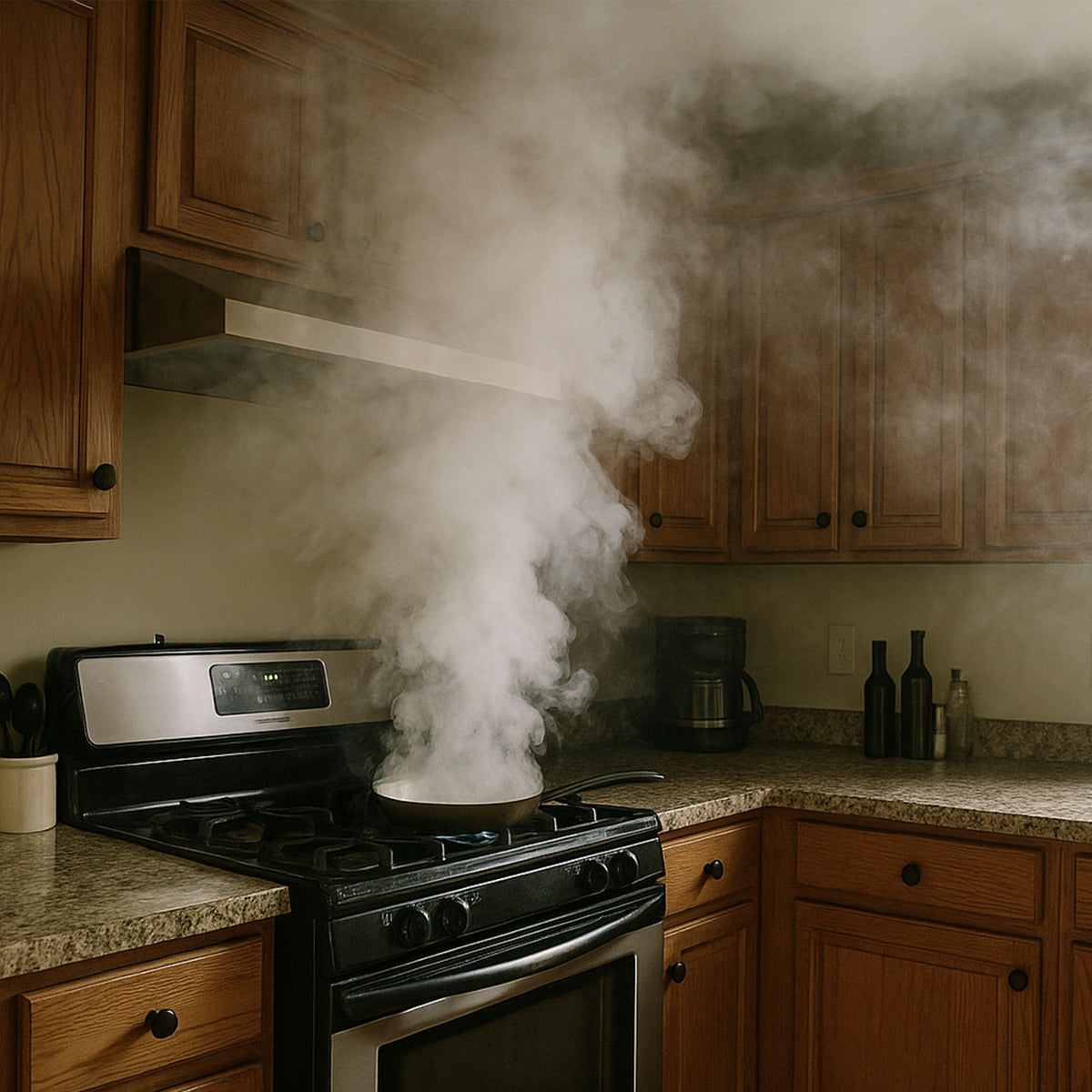
The piece lays out the basic math: Americans spend about 90% of their time indoors, and gas and propane stoves release nitrogen dioxide, an asthma trigger, and benzene, a carcinogen linked to leukemia, directly into that air. Research out of Stanford's Electrification for Health program confirms induction stoves emit neither. Even so, only about 3% of U.S. households currently cook on induction, compared with more than a third on gas or propane.
What Actually Moves People to Switch
The summit's clearest takeaway was that data alone isn't closing that gap. Panelists pointed to trusted messengers instead: physicians asking patients about their stove the way they already ask about smoking, and community organizers like Menlo Park's Karen Williams, who invites neighbors over to watch a pot of water boil on her own induction stove.
"The proof is in the pudding." — Karen Williams, community organizer
Speakers also noted that renters and first-time switchers often don't know where to start, which is where local organizations step in to help residents navigate rebates and installation.
Incentives Already Exist, Awareness Doesn't
The Bay Area has some of the strongest induction incentives in the country — free appliance replacements, rebates, and even stove lending libraries through local programs. Yet a CalMTA survey cited at the summit found 84% of respondents knew little or nothing about induction stoves and their benefits. The programs exist; the word hasn't caught up.
Why We Build All-Electric
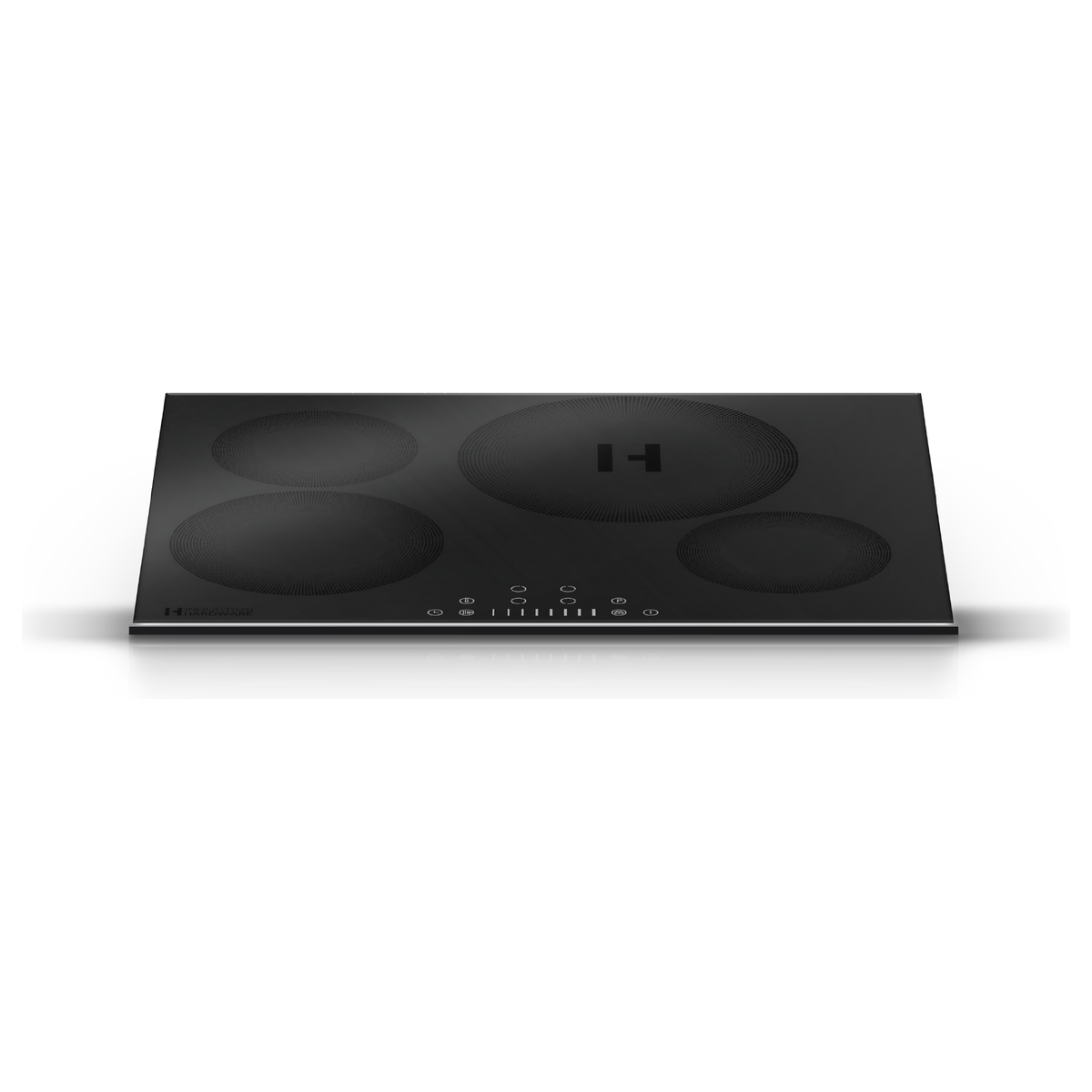
This is the health case for induction, not just the cooking case. An induction cooktop produces no flame and no combustion byproducts, so there's nothing to vent into the room in the first place. That's a big part of why we build every appliance electric, from cooktops to full ranges — the simplest fix for a combustion problem is removing the combustion.
New to induction? We break down how it works here: Why Induction? The Modern Cooktop Technology Changing Kitchens Everywhere →
Bring It Home
If you're weighing a move off gas, explore our Induction Ranges collection for an upgrade that doesn't give up the performance people love about cooking on flame: fast response, precise heat, and a surface that stays cool to the touch.
Read the full feature: Stanford Report — "What Helps Households Switch From Gas to Induction" →