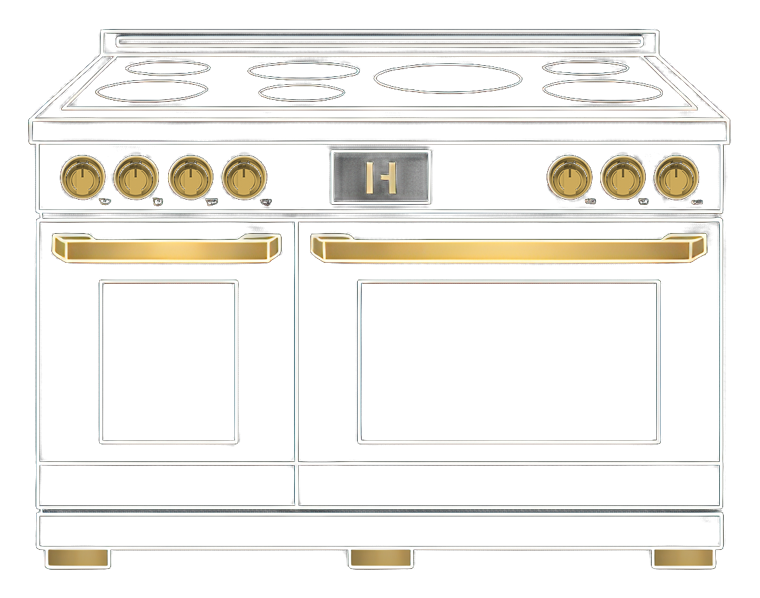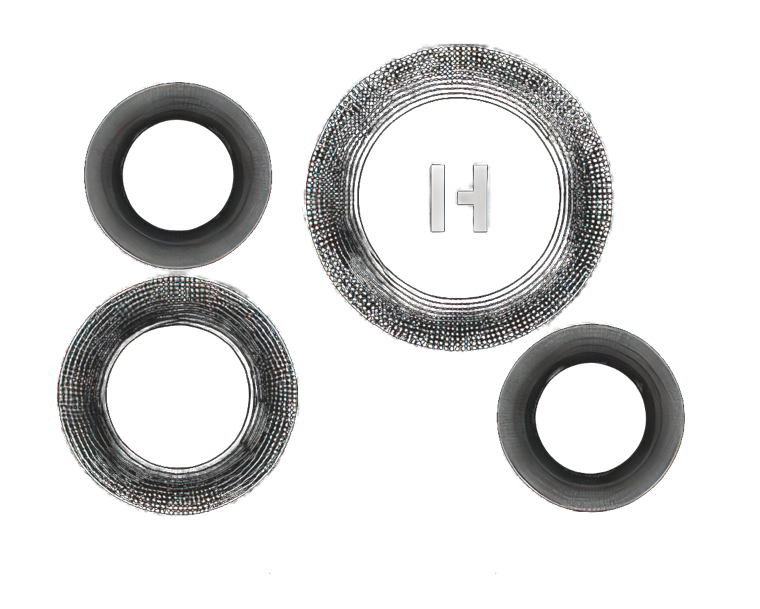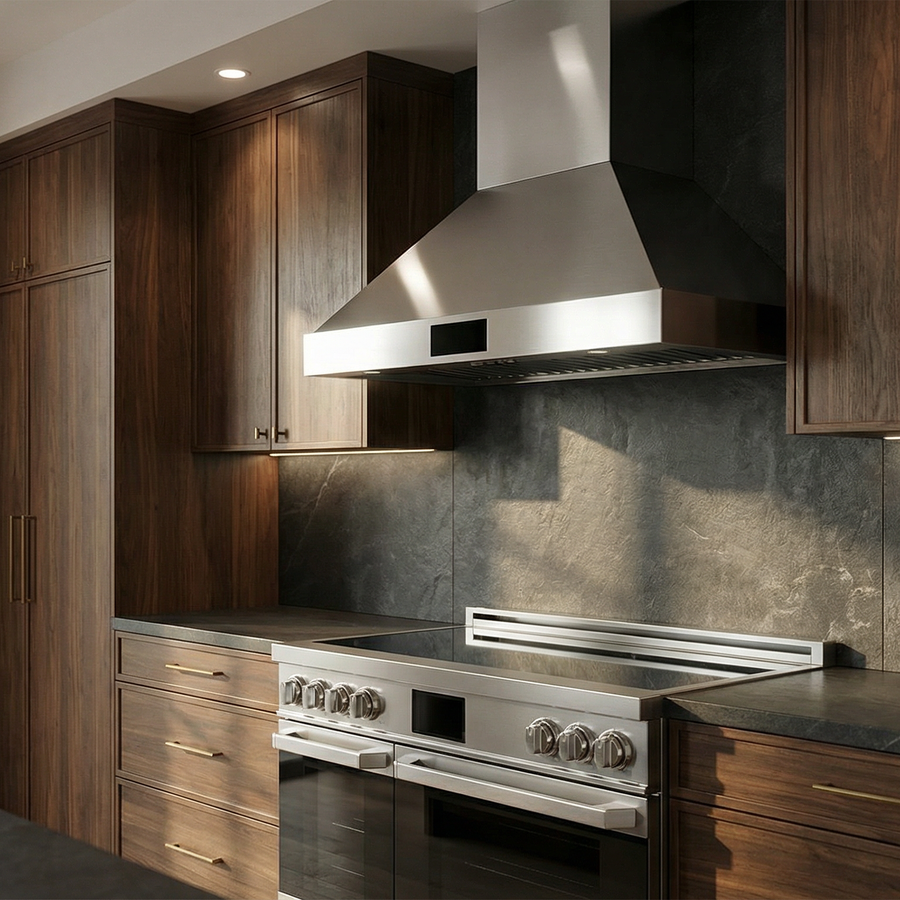



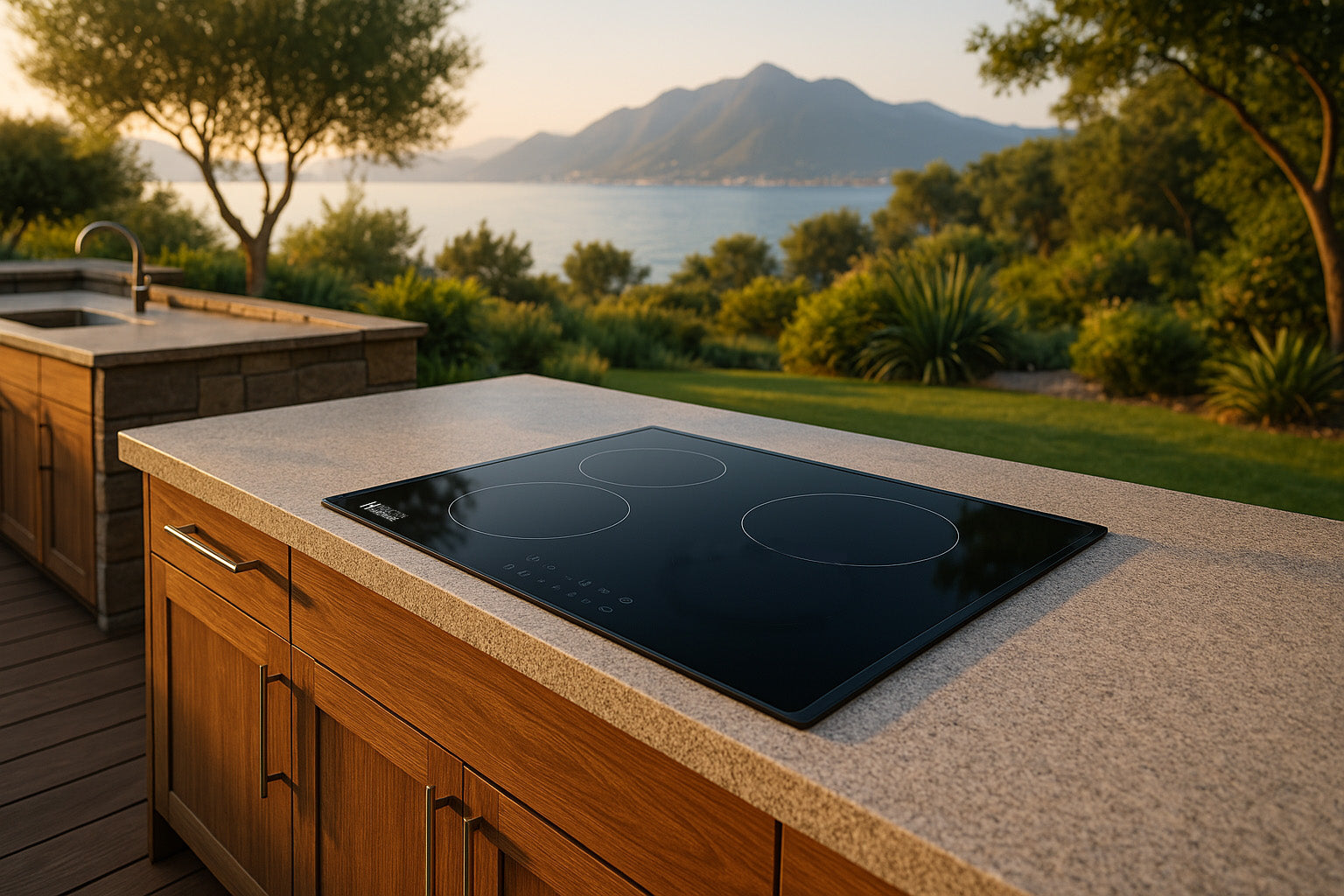
Induction cooking has rapidly become the preferred choice for homeowners, chefs, and designers who want precision, efficiency, and safety in the kitchen. Unlike gas or electric ceramic cooktops, induction doesn’t heat the air or the glass surface—it uses electromagnetic energy to heat your cookware directly. This means faster boil times, more consistent temperature control, and a dramatically safer cooking surface that stays cool to the touch. As interest in high-performance, energy-efficient appliances continues to surge, induction cooktops are leading the conversation for a reason.
One of the biggest advantages of induction over gas is efficiency. Gas burners lose up to 60% of their heat to the surrounding air, while induction transfers up to 90% of its energy directly into the pan. That means quicker response times than even professional gas ranges, lower utility costs, and far less ambient heat in the kitchen. For electric ceramic cooktops, induction solves the common frustrations of slow heat-up times, lingering hot surfaces, and imprecise simmer control. With induction, temperature adjustments happen instantly—providing the same responsiveness chefs love about gas without the emissions, hot cooktop, or fire risk. It’s also dramatically easier to clean: because spills don’t burn onto a hot surface, a single wipe restores a spotless glass top.
Induction also addresses key safety and environmental concerns. Households are increasingly aware of indoor air quality, and cooking with gas has been linked to increased particulate emissions, NO₂ pollution, and unnecessary heat output. Induction produces no combustion and no fumes—making it a healthier choice, especially in homes without powerful ventilation. The cooktop only activates when it detects induction-compatible metal, reducing burn risks and making it a smart option for families.
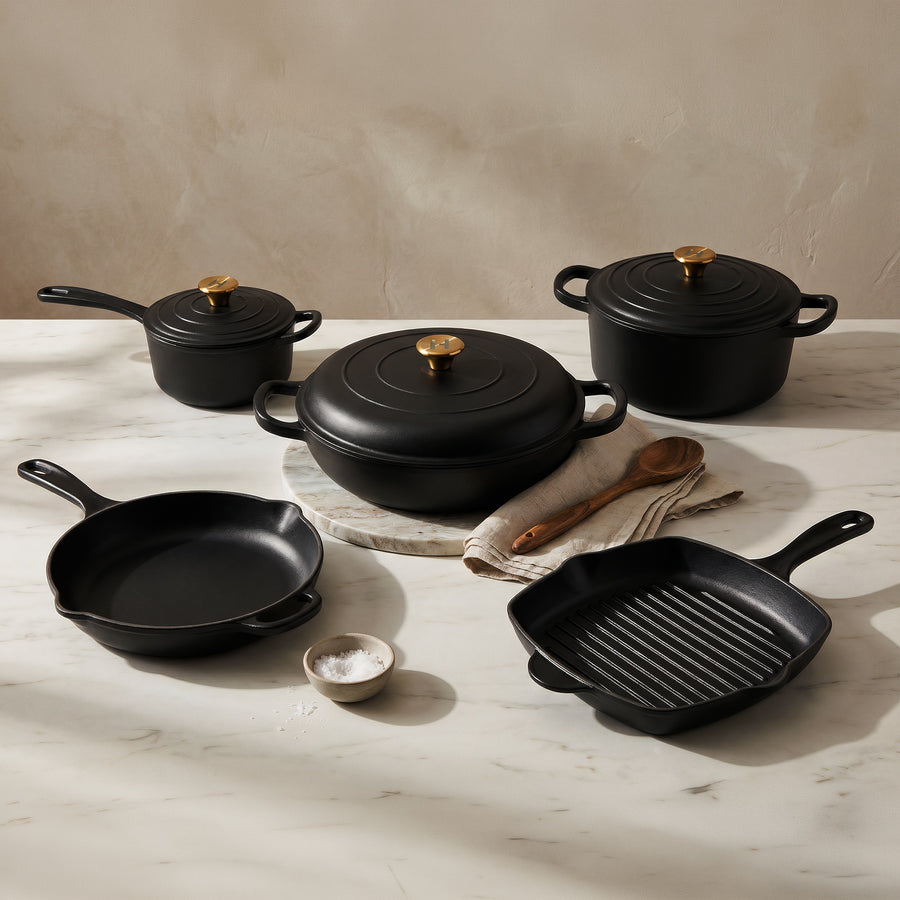
A common question is: What pots and pans work with induction? The rule is simple—if a magnet sticks to the bottom, it will work. Cast iron, carbon steel, and most stainless-steel cookware perform exceptionally well. Many modern cookware brands label their products as “induction-ready,” and upgrading is often as simple as replacing one or two frequently used pieces. Aluminum, copper, and glass cookware won’t heat on induction unless they have a magnetic base.
One of the most common questions we get is,, “How does induction cooking work?” Induction offers unmatched speed, control, efficiency, and safety. It solves the longstanding drawbacks of gas and ceramic cooktops while delivering a cleaner, more sustainable cooking experience thats more precise than any other cooking technology. Whether you’re renovating a kitchen, upgrading an appliance, or simply exploring modern cooking technologies, induction is not just the future—it’s the superior choice today.
Key Benefits of Induction Cooktops
-
Heats Faster Than Gas or Electric: Induction transfers up to 90% of its energy directly into the pan for lightning-fast boil times and instant temperature changes.
-
Precise, Chef-Level Control: Immediate responsiveness allows for perfect simmering, searing, melting, and temperature stability.
-
Safer for Families: The glass surface stays cool to the touch and only activates when compatible cookware is detected.
-
Cleaner Indoor Air: No combustion, no fumes, and dramatically fewer particulates compared to gas cooking.
-
Effortless Cleaning: Spills don’t burn onto the surface, making induction the easiest cooktop style to maintain.
-
Energy Efficient: Uses significantly less energy than gas or ceramic cooktops, reducing heat waste and lowering utility costs.
Common Questions About Induction Cooking
-
Do I need special cookware?
Yes—your pots and pans must be magnetic. Cast iron, carbon steel, and most stainless steel work perfectly. -
Will induction scratch or damage easily?
With normal use, no. The EuroKera-style ceramic glass found in premium induction appliances is engineered for durability and high heat resistance. -
Is induction noisy?
Some pans may make a faint humming sound at high power, but this is normal and varies by cookware quality. -
Does induction use more electricity?
It uses less total energy because it cooks faster and more efficiently than electric ceramic or gas. -
Can induction replace gas for serious cooking?
Absolutely—many professional chefs prefer induction for precision, speed, and control.