



Gas had its century.
Induction is the future.
Boil water in under 90 seconds, hold an exact simmer, and sear at full power. All the control chefs love about gas — without the flame, the fumes, or the wasted heat.
Professional performance. Measured.
Induction out-cooks gas on the things a serious cook actually weighs — speed, precision, and efficiency first. Clean air, safety, and longevity follow.
See what your state pays you to switch.
Federal, state, and utility programs now cover a serious share of going all-electric — up to $840 toward an induction range alone. Pick your state to see what applies.
Small states
Every state qualifies for something.
Under the federal Inflation Reduction Act’s HEAR program, income-qualified households can receive up to $840 toward an electric or induction range, up to $4,000 toward an electrical panel upgrade, and up to $2,500 toward wiring. Households under 80% of Area Median Income may have 100% of costs covered; households at 80–150% AMI, 50%. Rollout timing varies by state energy office.
Incentive programs change frequently and many depend on household income relative to Area Median Income. Amounts shown are program maximums, not guarantees. Confirm current availability with your state energy office before purchase.
Gas vs induction, line by line.
The honest comparison — including where gas holds its own. On the criteria a premium kitchen weighs, induction is the obvious upgrade.
| Criteria | Gas | Induction Hardware |
|---|---|---|
| Time to boil | Slower — heat escapes around the pan | Under 90 seconds with Boost |
| Energy to the pan | ~40% | ~85–90% |
| Simmer control | Flame lag; uneven at the low end | Instant, exact, and stable |
| High-heat sear | Strong | Equal or better — full power on demand |
| Indoor air | Combustion byproducts and fumes | No flame, no combustion |
| Surface safety | Open flame, hot grates | Cool to the touch when idle |
| Cleanup | Grates and burners to scrub | Flat ceramic glass, wipe clean |
| Kitchen temperature | Heats the whole room | Stays noticeably cooler |
| Warranty | Varies by brand | Lifetime |
| Cookware | Any | Magnetic cookware required |
Efficiency figures reflect US DOE industry ranges for gas vs induction cooktops. Boil time and lifetime-warranty claims are drawn from Induction Hardware product data. Most stainless and cast-iron cookware is already induction-compatible — if a magnet sticks to the base, it works.
Bring it home, your way.
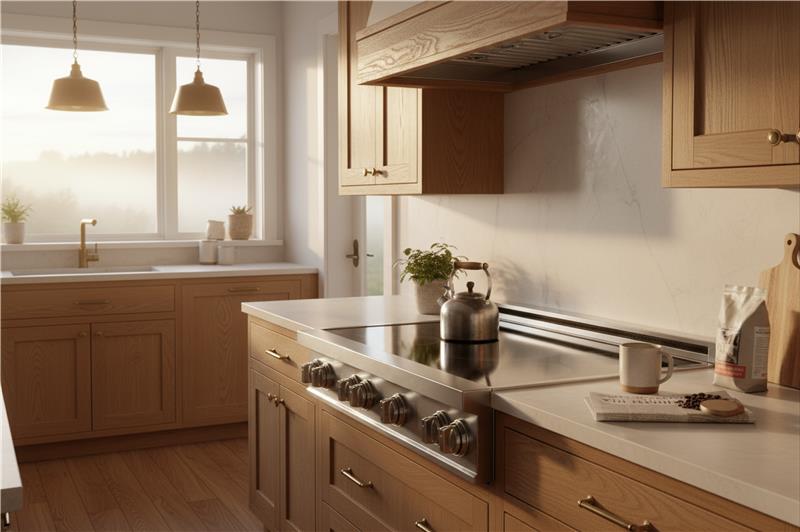
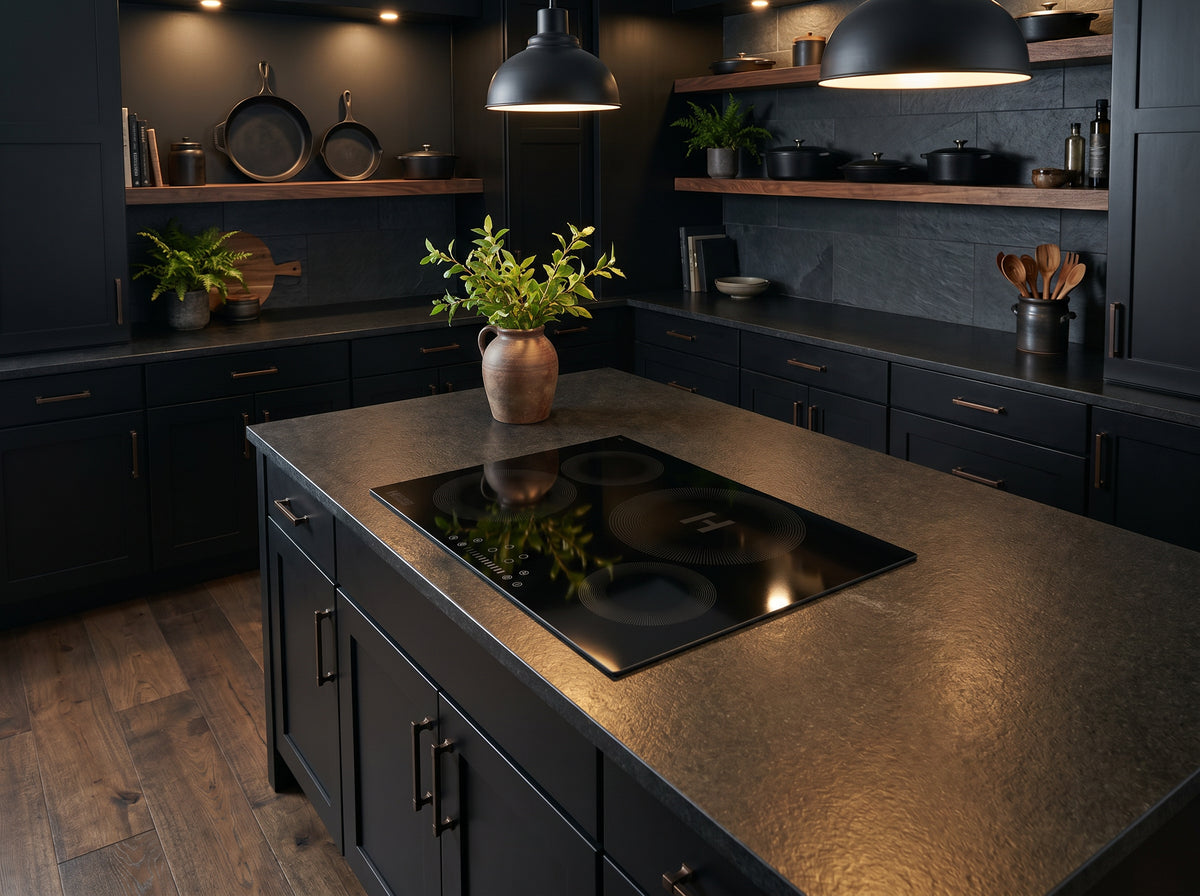
Induction isn't one product — it's a whole system. Four ways to bring it into your kitchen, one standard of performance, each on its own landing page.
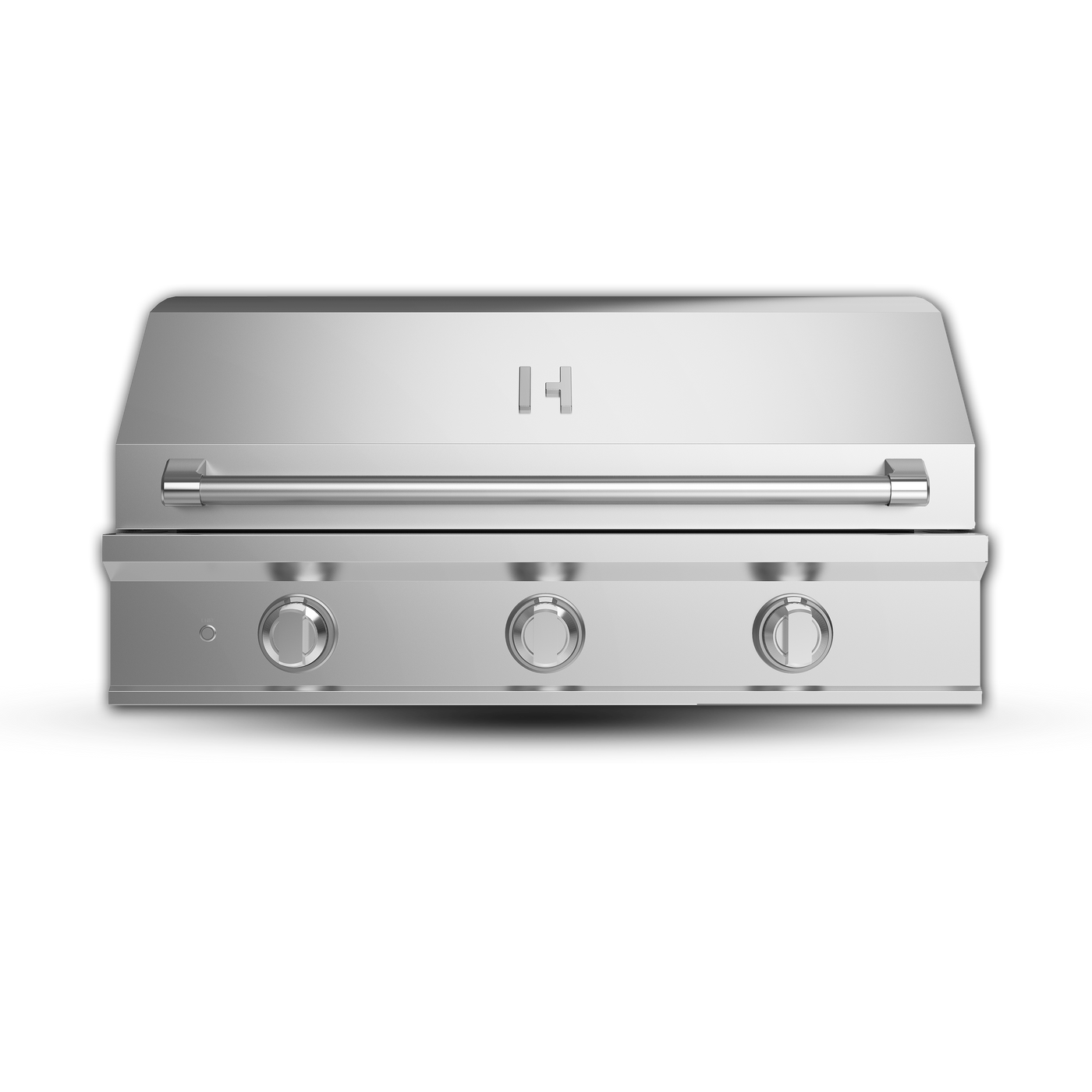
Grilling, reinvented without flame.
The world's first induction-electric BBQ — grilling without flame, smoke, or fumes. The config no gas brand has.
- 8,000W induction — searing heat with no gas line, charcoal, or open flame
- Flameless & fume-free — grill on a deck, balcony, or anywhere gas can't go
- Built-in or on a cart — the outdoor config no gas brand offers
The future of
cooking is electric.
Better for your family. Better for the planet.
Gas cooking burns fossil fuel inside your home. Induction doesn't — no combustion, cleaner air, and a smaller footprint, at performance that finally makes the switch obvious.
The real questions, answered.
Do I need new pots and pans?
Probably not. Most stainless steel and all cast iron already work on induction — the simple test is whether a magnet sticks to the base. If it does, it's compatible. Only pure aluminum, copper, and glass cookware need replacing.
Is my home's electrical ready?
Induction ranges and cooktops run on a 240V circuit, the same as most electric ranges. Our specialists verify your electrical and cutout before you buy — talk to a specialist or your electrician about a dedicated line.
Will it sear as well as gas?
Yes — arguably better. You get full power on demand with no flame to spread heat up the sides of the pan, and induction recovers heat faster than a flame after you add cold food. A 3700W boost element takes a liter to a boil in about 88 seconds.
Is it worth the price?
It's built to be bought once. Every induction hob is backed by our lifetime "Induction-Clad" warranty, designed to be repairable, and made with a US-focused supply chain — plus lower running costs from ~90% efficiency. Not disposable, not replace-and-landfill.
Cook on induction before you switch.
Book a private appointment at our Reno showroom, or find an Induction Hardware showroom near you. Boil water, hold a simmer, and feel the difference — then let a specialist help you pick the configuration that fits your kitchen.
Induction Hardware Showroom12920 Old Virginia Road, Suite 160
Reno, Nevada 89521
Shop every category
Eight families of professional induction appliances — engineered on one platform, finished to match across the kitchen.
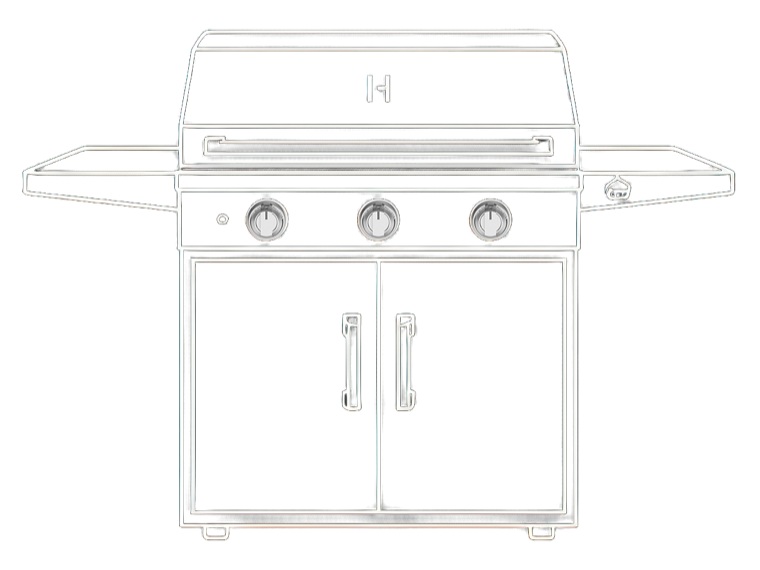 Induction Grill
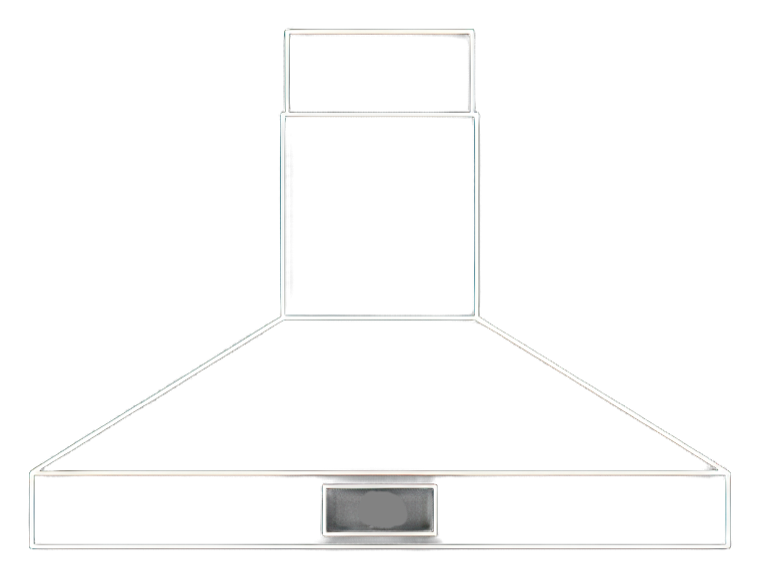 Pro Range Hoods
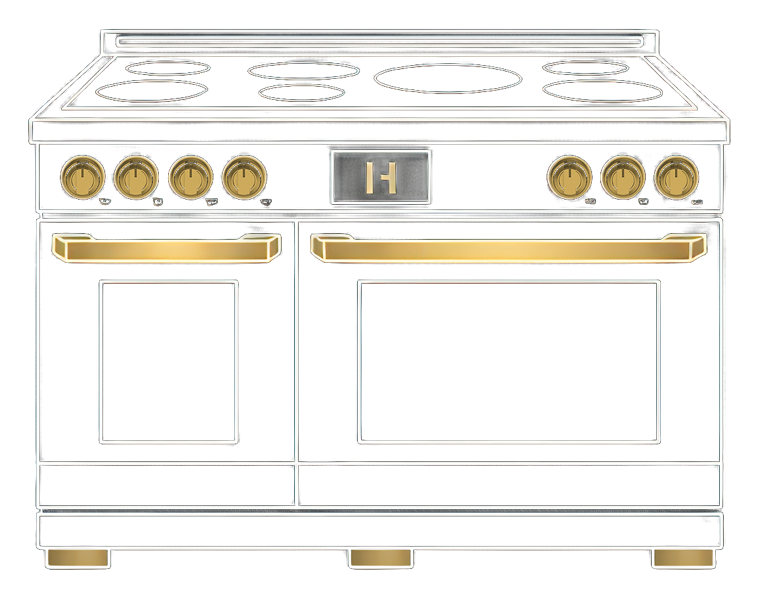 Induction Ranges
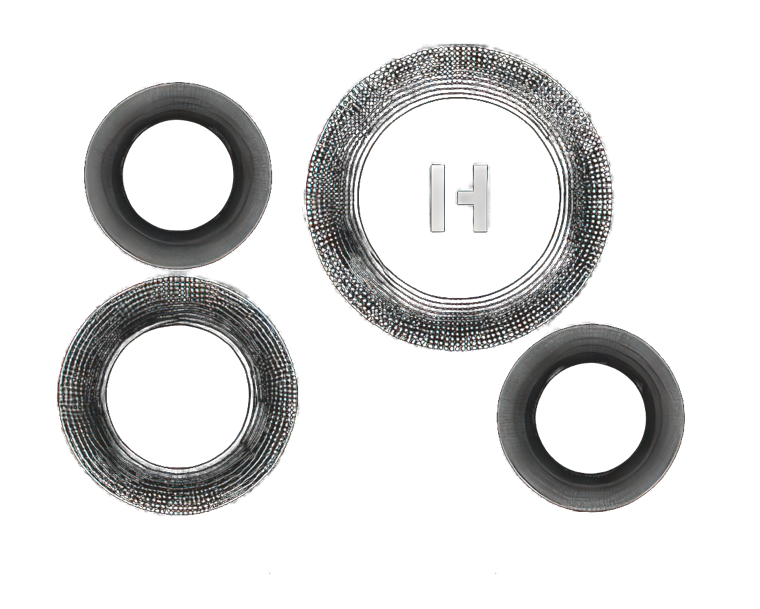 Induction Cooktops
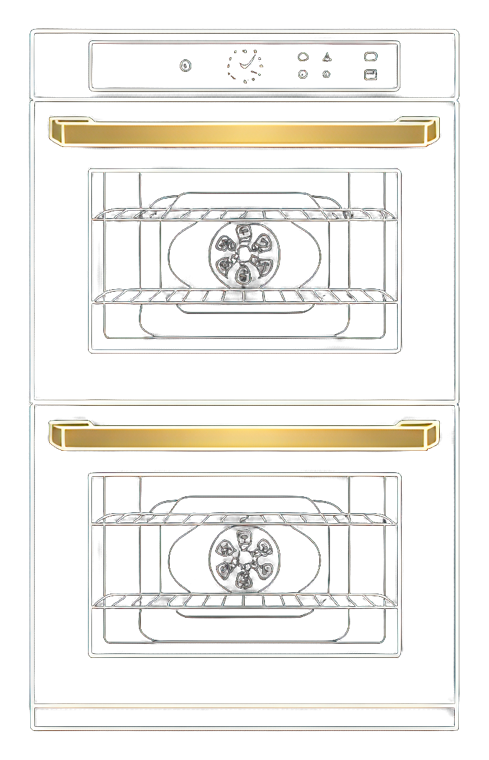 Wall Ovens
 Dishwashers
 Refrigeration
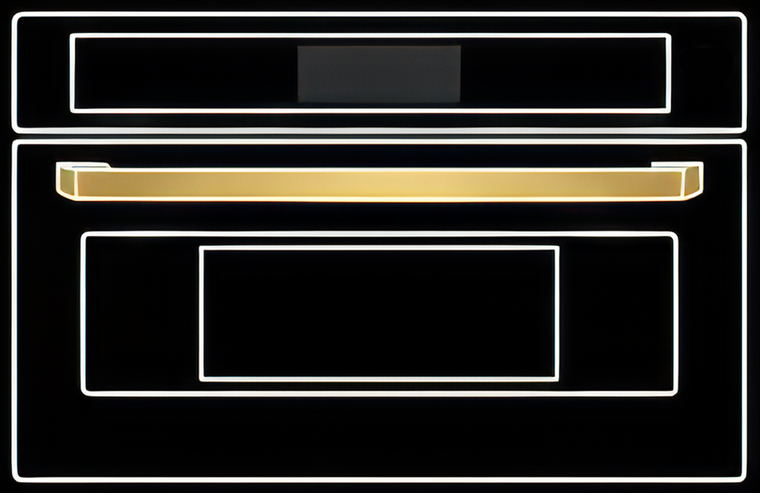 Microwaves