




The Washington Informer this week published a look at how D.C. doctors and researchers are tackling the city's high asthma rates, and one thread in it stood out to us: for a growing number of residents, the fix starts at the stove.
Read the original feature: The Washington Informer — "In D.C., Better Asthma Care May Start at Home" → By Mya Trujillo
A City Breathing Unequally
Washington's asthma rates run well above the national average, and the burden isn't spread evenly. Black children make up close to a third of the city's pediatric asthma cases, a much larger share than their white counterparts. Children's National Hospital's IMPACT D.C. Asthma Clinic, marking 25 years this fall, has cut ED return visits in half for its patients simply by shifting focus upstream, from treating flare-ups to fixing the homes causing them. Researchers like GWU's Janet Phoenix point to the same lesson: for kids with poorly controlled asthma, a home visit often does more than another prescription.
The Kitchen Connection
One case in the piece was hard to skim past. Ward 1 resident Katherine Leiden spent two years dealing with nosebleeds and breathing trouble before finding the cause: her gas stove and an unshielded gas fireplace were pushing nitrogen dioxide in her apartment to two and a half times the EPA's indoor limit. As she put it:
"I felt like my breathing was really impacted." — Katherine Leiden, D.C. resident
Once she shut off the fireplace and later replaced the oven, her symptoms disappeared. It lines up with research cited in the article: gas stoves have been linked to roughly 12.7% of childhood asthma cases in the U.S., and what burns in the kitchen doesn't stay in the kitchen.
Why We Build All-Electric
This is the health case for induction, not just the cooking case. An induction cooktop produces no flame and no combustion byproducts, so there's nothing to vent into the room in the first place. That matters most in exactly the kind of housing the article points to: older, poorly ventilated units where a gas range and a family's air quality end up sharing the same space.
It's a big part of why we build every appliance electric, from cooktops to full ranges. The simplest fix for a combustion problem is removing the combustion.
We go deeper on this here: Why Induction? The Modern Cooktop Technology Changing Kitchens Everywhere →
Bring It Home
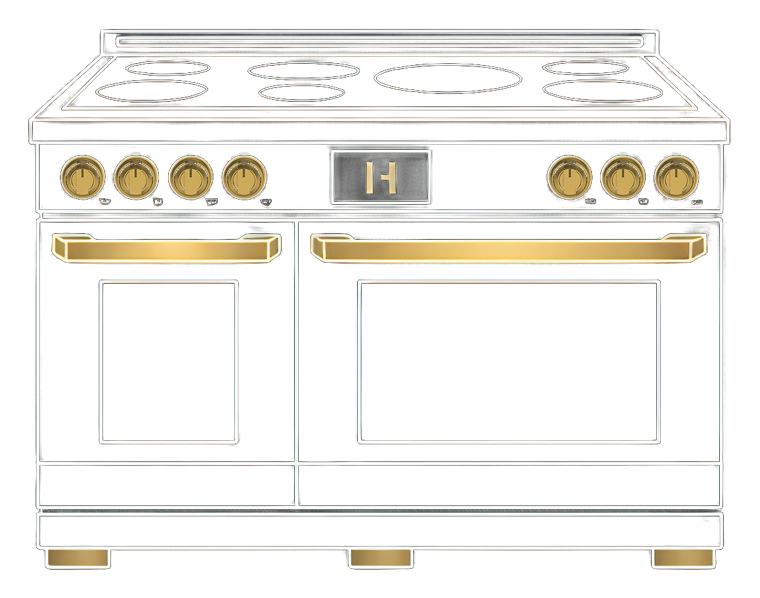
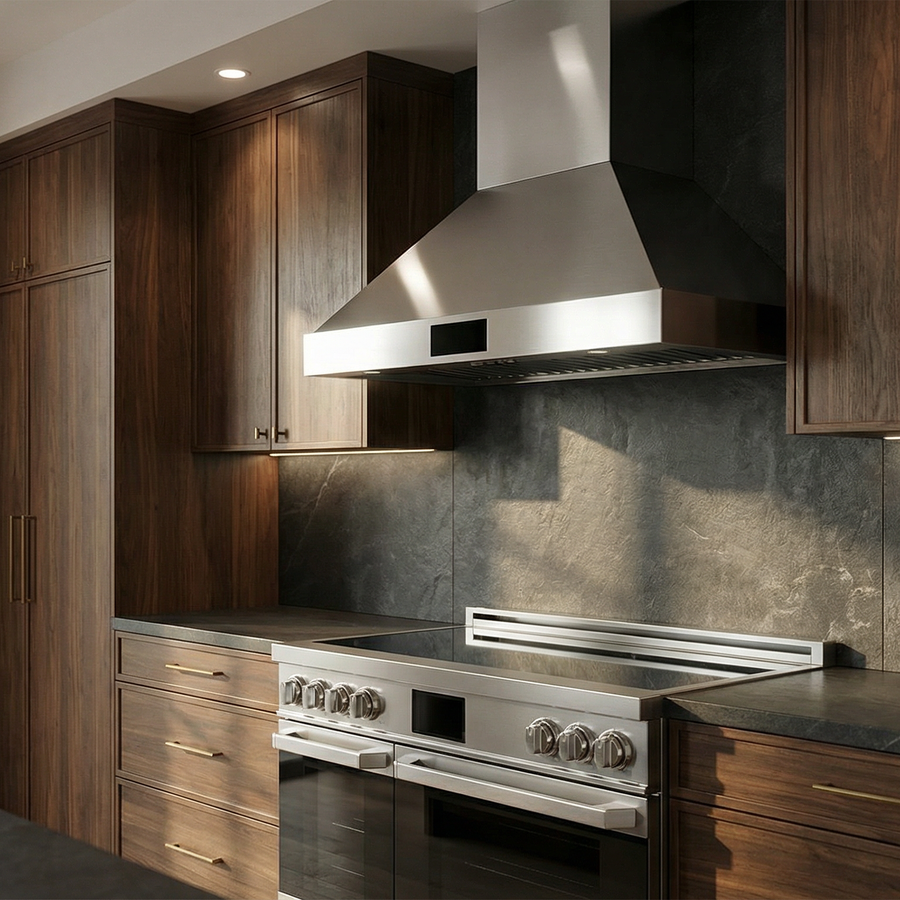
If you're weighing a move off gas, our induction ranges give you that upgrade without giving up the performance people love about cooking on flame: fast response, precise heat, and a surface that stays cool to the touch.
Explore the Induction Ranges collection or read Why Induction? for the full picture.
Read the full feature: The Washington Informer — "In D.C., Better Asthma Care May Start at Home" →